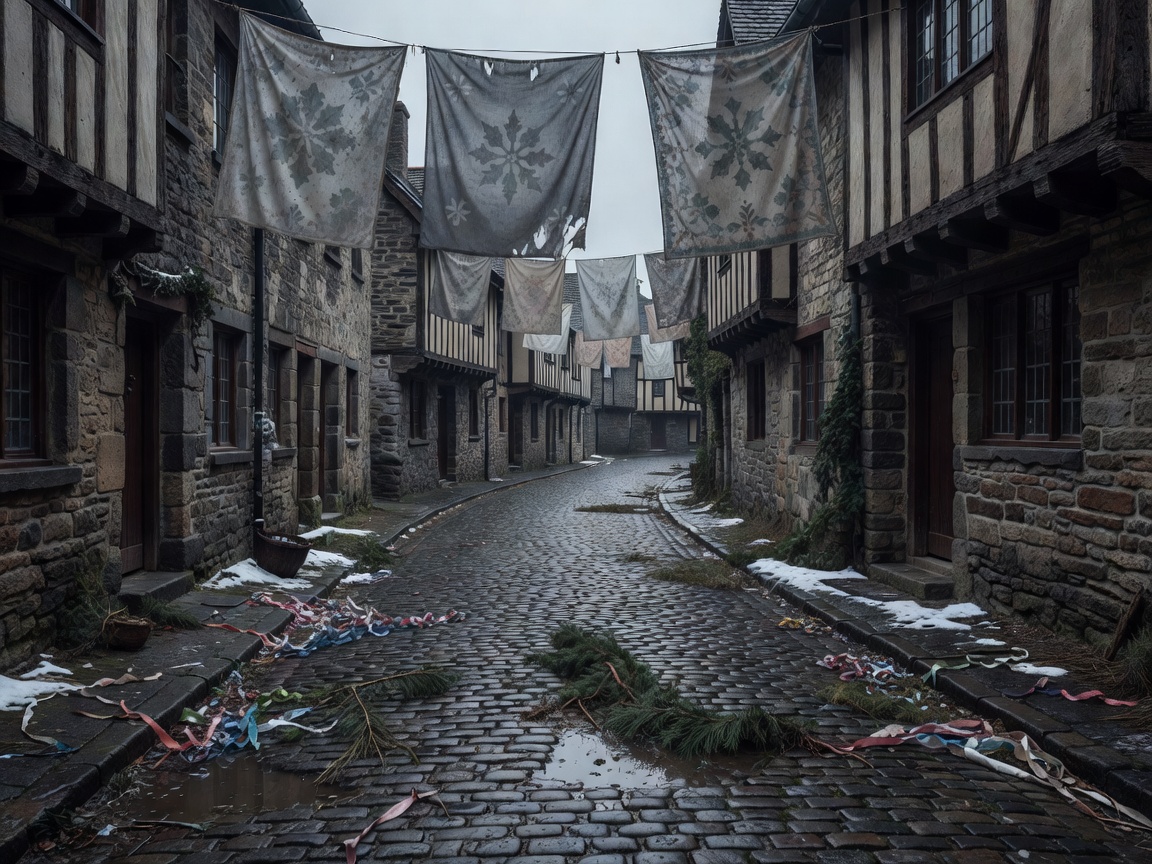
European carnival traditions lack a single origin point. Documented history shows a convergence of pre-Lenten feasting, agricultural cycles, and winter-expulsion rites. Each region adapts these elements differently. Urban centers prioritize organized spectacle. Rural villages maintain older, rougher rituals.
Historical Origins
Pre-Lenten celebrations dominate Western and Southern Europe. The liturgical calendar designates a period of fasting. Carnival provides a period of excess immediately preceding it. Historically, communities consumed perishable winter stores before they spoiled.
Secular influences altered these events. Guilds structured the parades. Aristocracies introduced elaborate masquerades. Over centuries, local governance heavily regulated public masking and street gatherings to prevent unrest.
Urban vs. Rural Differences
Geography dictates tradition format. Scale changes the experience.
- Urban Traditions: Structured. Regulated. Focus on large floats, organized guilds, and controlled procession routes. High reliance on municipal funding.
- Rural Traditions: Unstructured. Participatory. Focus on archaic costumes, animal motifs, and aggressive noise-making. High reliance on village lineage.
Costumes and Community Participation
Participation varies by location. Some traditions require strict guild membership. Others allow universal public entry.
Masks conceal identity. This historical function permitted temporary social inversion. Peasants mocked nobility. Servants parodied masters. Modern celebrations retain this satirical element through political caricature floats and designated fools.
Traditional food reflects the season. High-fat, fried items dominate. Sweets cooked in lard serve as caloric dense provisions before historical fasting periods began.
What to Know Before You Go
1. Not all carnivals are related. A winter-expulsion rite in Eastern Europe has different historical roots than a pre-Lenten masquerade in Italy.
2. Secularization varies. Some events retain heavy religious context. Others operate entirely as municipal tourist attractions.
3. Always verify local participation rules. Some towns expect visitors to wear costumes. Others strictly forbid uninitiated participation.
Changes in Modern Culture
Modernity standardizes some aspects. Mass-produced costumes appear globally. Safety regulations alter traditional fire usage. Traffic management limits historic procession routes.
However, preservation efforts are strong. Cultural organizations document oral histories. Artisans protect specific textile techniques. The core function—communal gathering during winter—remains intact.