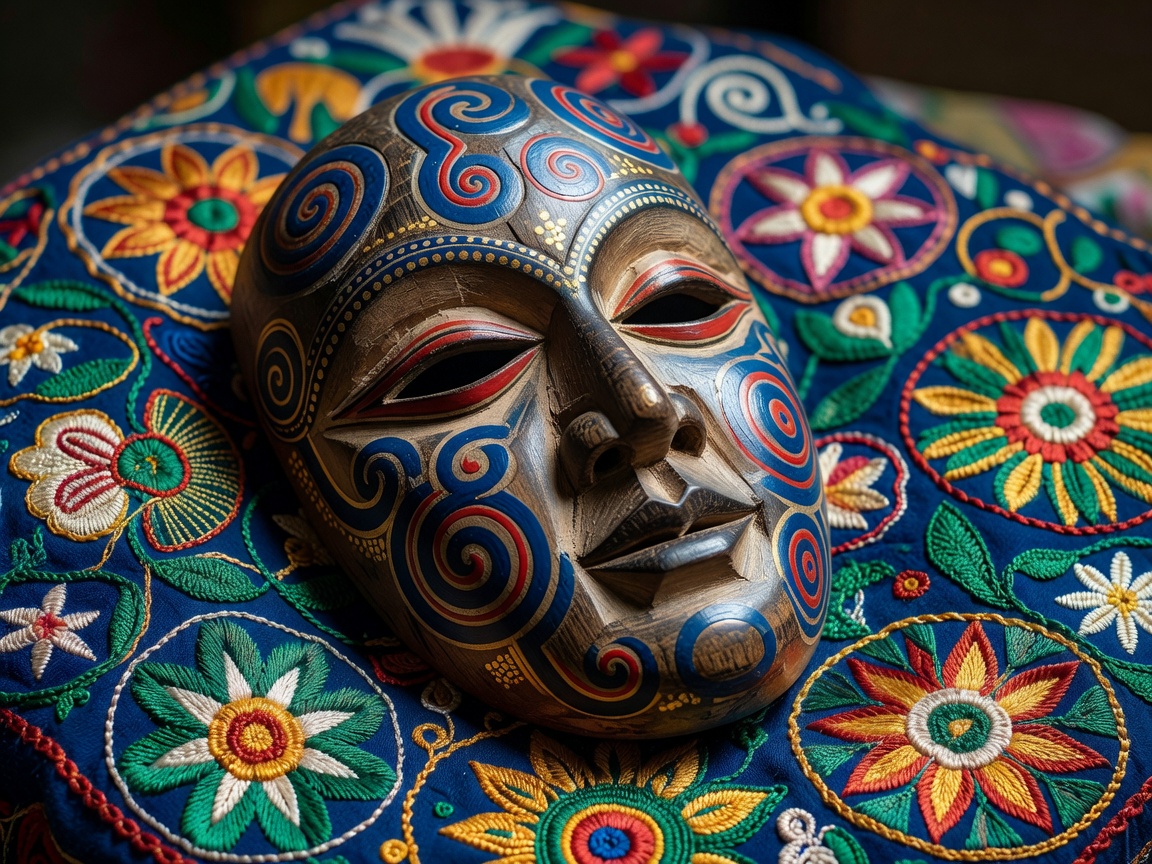
Visual identity drives the carnival. Masks obscure the wearer. Costumes distort the human shape. Regional craft dictates the materials used. Understanding these elements reveals the history of the local community.
Traditional Masks
Mask materials depend on geography. Alpine regions rely on heavily carved pine. Artisans sculpt exaggerated facial features designed to cast sharp shadows in winter firelight. Southern European cities traditionally use papier-mâché, pressed into plaster molds and painted with fine detail.
Masks serve specific functions. They intimidate. They parody. They ensure anonymity. Historically, strict laws governed when and where citizens could appear masked. Violations resulted in heavy fines.
Textile Traditions
Costume construction requires immense labor. Villages often spend the entire year preparing textiles for a single weekend.
- Embroidery: Regional symbols stitched into heavy wool coats. Indicates village origin.
- Ribbons and Bells: Sewn onto garments to produce rhythmic noise during processions.
- Straw and Plant Matter: Used in older, rural rites to represent the wild man or winter itself. Highly flammable, requiring careful modern management.
Handmade vs Modern Production
Industrialization changed carnival craft. Mass-produced synthetic costumes dominate casual street participation. However, official guilds and heritage associations fiercely protect handmade traditions.
Apprenticeships maintain craft skills. Carvers teach specific gouge techniques. Painters pass down traditional color recipes. These preserved skills prevent regional traditions from blurring into a generic visual aesthetic.
Preservation Note
Many traditional masks and costumes are not produced for commercial sale. They belong to specific families or guilds. Visitors should not expect to purchase authentic carved processional masks at souvenir stands. Respect the distinction between tourist items and ritual artifacts.
Contemporary Reinterpretation
Tradition is not static. Modern materials subtly enter construction. Lighter foams replace solid wood for massive float structures. Synthetic paints offer brighter pigmentation. Artisans balance historical accuracy with practical durability.